


Gamification in the Workplace: 5 Strategies to Gamify Your Workforce
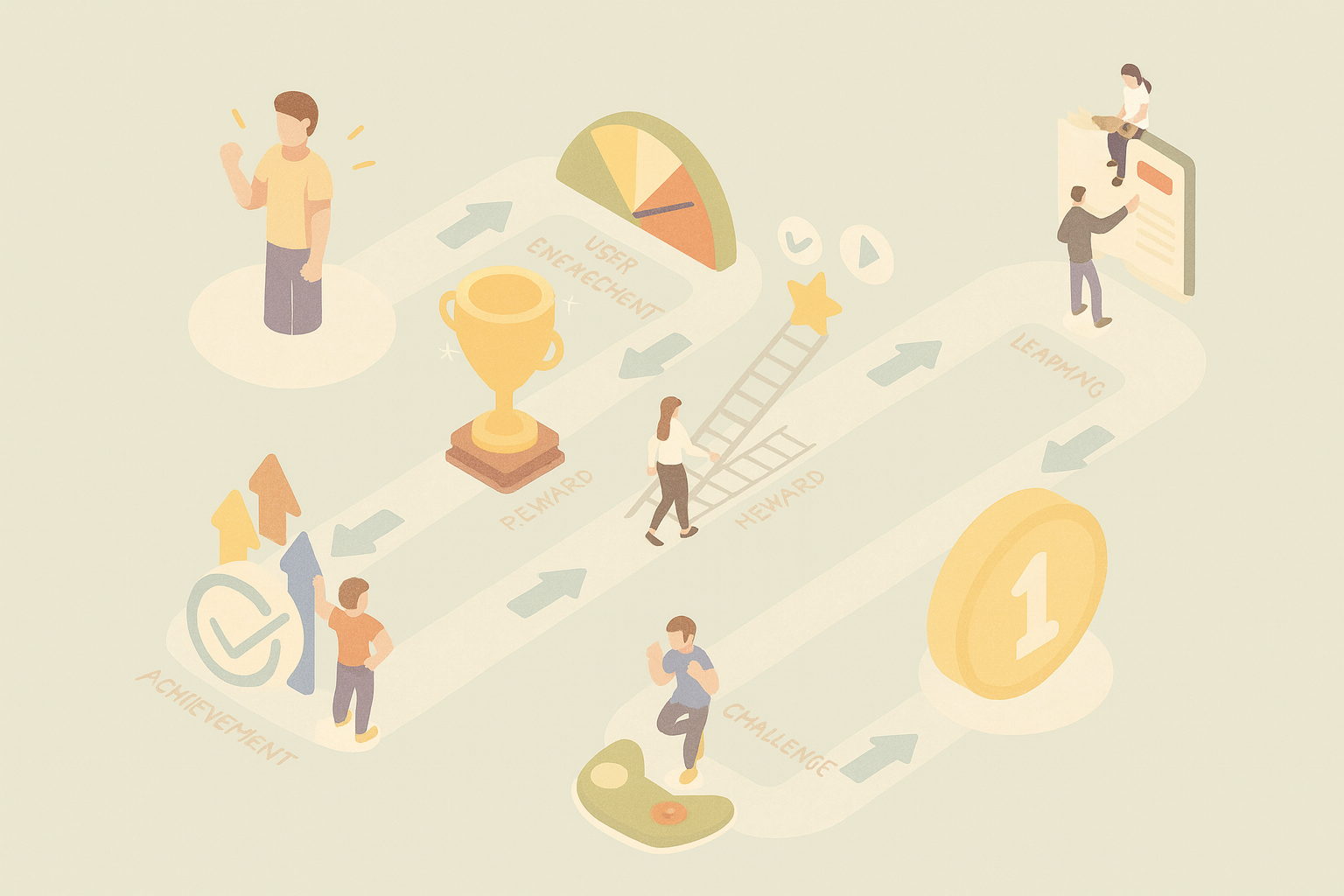
Work shouldn’t feel like an endless checklist. To make day-to-day tasks more engaging, many companies use gamification in the workplace—adding game-like mechanics such as points, badges, levels, streaks, challenges, and rewards. Done well, these mechanics boost employee engagement, motivation, and performance.
Research highlights the impact of gamification on improving engagement. Think about why games are sticky: clear goals, instant feedback, and the satisfaction of leveling up (or the discomfort of falling behind). The same principles can apply at work—from a sales leaderboard to an interactive training program.
Below, you’ll find what gamification means, why it’s gaining traction, how it works across teams, and practical strategies with real-world examples you can adopt today.
What Is Gamification in the Workplace?
Gamification is the use of game elements—like points, badges, levels, or challenges—in non-game settings such as the workplace. The purpose is to make work more engaging, encourage motivation, and improve performance. This doesn’t turn the office into a video game; it taps the same levers that make games compelling: clear goals, rapid feedback, and a sense of progress.
A familiar example is Duolingo’s streak system, which nudges people to return daily to keep their streak alive. Some companies use similar reward systems for employees.
How It Works at Work
- Sales: Leaderboards highlight top performers and progress to target.
- HR & People Ops: Reward programs celebrate milestones and positive behaviors.
- L&D / Training: Interactive modules, quizzes, and challenges make learning stick.
Common Myths
- “It turns work into games.” Not exactly—gamification layers engaging elements onto existing tasks.
- “It only works for younger employees.” When designed well, it motivates all age groups.
- “It’s all about prizes.” Rewards matter, but the real value is a culture that recognizes progress, achievement, and collaboration.
Benefits of Gamification in the Workplace
Gamification is more than “making work fun.” When thoughtfully implemented, it helps teams focus, collaborate, and develop new skills—ultimately supporting better business outcomes.
1) Employee Engagement & Motivation
Repetitive routines can drain energy. Internal gamification reintroduces challenge and recognition. When people can track progress, earn badges, and join friendly challenges, they become more invested in their work.
2) Productivity & Performance
Clear goals plus instant feedback drive focus. Leaderboards, progress bars, and unlockable tiers give employees quick signals on how they’re doing, which supports consistency and output. Studies have reported productivity improvements when gamification is used effectively.
3) Collaboration & Teamwork
Gamification can reward team-based achievements, not just individual wins. Group challenges, shared goals, and collective rewards (e.g., recognition at all-hands, extra break time, team outings) encourage cooperation.
4) Learning & Development
Gamified learning breaks complex topics into interactive steps with rapid feedback. It’s ideal for onboarding and upskilling. The most efficient way to deliver this is through an LMS that integrates with HR software.
5 Gamification Strategies That Drive Results
Different teams respond to different mechanics, but these proven approaches work across many workplaces:
1) Reward-Based Recognition Systems
Move beyond annual reviews with real-time recognition—points, badges, and tiered perks. For example, individuals who hit targets can earn digital badges, while project teams unlock small rewards like lunch or bonus time off.
2) Progress Tracking & Leaderboards
People like to see progress—steps walked, streaks kept, levels unlocked. Translate that to work with transparent tracking and carefully designed leaderboards that emphasize improvement over pressure.
3) Goal-Oriented Challenges & Milestones
Break big objectives into achievable milestones. Support teams (e.g., support, product, sales) with weekly or phase-based challenges and tie recognition to progress.
4) Interactive Training Programs
Replace text-heavy sessions with gamified training: bite-sized modules, quizzes, instant feedback, and unlockable content. An LMS lets you automate points, badges, and knowledge challenges at scale.
5) Personalized Achievement Paths
Motivators vary. Offer paths aligned to goals—leadership, certification, or technical depth—so employees pursue challenges that match their development plans.
How to Write Inclusive Job Descriptions →
Real-World Examples
Microsoft: Language Quality Game
Before shipping Windows 7, Microsoft turned translation review into a gamified challenge with points, badges, and leaderboards—resulting in 900,000+ string reviews across 100 languages.
L’Oréal: Travel Retail Training App
L’Oréal trained Beauty Advisors across 18 countries via a gamified mobile app built with Growth Engineering. The platform used bite-sized modules, social communities, quizzes, and rewards (experience points, badges, leaderboards) and achieved engagement and ROI goals within ten months.
Deloitte: Leadership Academy
Deloitte Leadership Academy gamified executive learning with badges, rewards, and leaderboards, reporting 75% faster course completions and a 47% increase in return visits.
Gamify Your Training & Business Goals with HR Software
Gamification helps teams participate more fully in their work. Techniques like recognition programs, progress tracking, and interactive challenges can lift motivation and performance. Companies such as Microsoft, L’Oréal, and Deloitte show what’s possible.
If you’re ready to operationalize this, consider OrientoApp, an all-in-one HR platform that streamlines onboarding, employee performance, and people analytics. It also integrates with OrientoApp, a cloud-based training platform with built-in gamification features.
Sign up for OrientoApp — free to try, no credit card required.